

Mold Damage Restoration in Florida
Florida’s Licensed and Regulated Mold Remediation Framework
Mold Damage Restoration in Florida
Mold damage restoration in Florida requires licensed remediation, engineered containment, and moisture control to prevent contamination from spreading through building materials. Under Florida Statutes Chapter 468, mold remediation is regulated by the Florida Department of Business and Professional Regulation. Remediation removes active microbial contamination within containment and corrects moisture conditions before structural deterioration expands.
Surface cleaning alone does not resolve mold growth. The moisture source must be identified and corrected before remediation begins. When water intrusion is present, mitigation aligned with IICRC S500 standards is performed before remediation to stop continued microbial amplification.
Superior Restoration Services provides licensed mold remediation across Florida following IICRC S520 standards and protocols issued by independent licensed Mold Assessors.

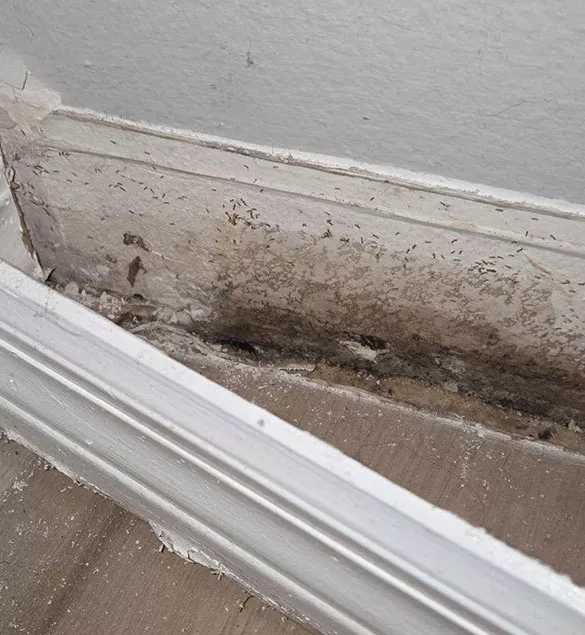
Understanding Mold Damage Restoration in Florida
Mold damage restoration in Florida is a licensed remediation process designed to remove active mold contamination, stabilize moisture conditions, and prevent microbial spread through building materials. Professional remediation includes containment to control airborne particles, removal of impacted porous materials when necessary, structural cleaning, and drying verification before reconstruction begins. All remediation follows written protocols issued by a licensed Mold Assessor under Chapter 468.
Work scope is executed exactly as defined by the Assessor. We do not author remediation protocols, ensuring regulatory separation and procedural integrity.

Florida’s sustained humidity, coastal exposure, slab-on-grade construction, and seasonal storms create elevated microbial risk across residential and commercial structures. Professional mold damage restoration in Florida requires early containment and moisture stabilization before contamination spreads beyond visible boundaries. These environmental conditions make professional mold remediation a structural risk management function rather than a cosmetic cleaning service. In high-rise coastal condominiums, inland slab-on-grade homes, and multi-unit residential or hospitality structures, moisture migration patterns differ significantly. Coastal salt exposure, elevated dew points in Central Florida, and seasonal storm saturation increase concealed moisture exposure across property types.
Common moisture triggers include:
Coastal humidity and prolonged storm exposure
Hydrostatic pressure and vapor drive through slab foundations
Roof and building envelope breaches during hurricane season
Condensate line discharge failures
Indoor relative humidity above 60 percent
From June through November, hurricane season increases concealed moisture risk within enclosed assemblies.
Mold growth can begin within 24-48 hours after moisture exposure. Moisture trapped inside CMU block walls, wall cavities, ceiling assemblies, insulation systems, and subfloor layers allows contamination to expand beyond visible staining. Moisture mapping using calibrated meters, hygrometers, and infrared thermal imaging identifies concealed migration before demolition scope increases.
Early licensed containment and moisture correction stabilize conditions before expansion accelerates, reducing structural demolition scope and insurance review delays.
Why Licensed Mold Remediation Matters
Under Chapter 468, remediation must follow a written protocol issued by a licensed Mold Assessor. The Assessor defines findings and remediation scope. The licensed Mold Remediator executes the protocol.
Licensed mold remediation must follow engineered containment standards and written assessor protocols to remain compliant under Chapter 468.
This legal separation protects property owners, preserves documentation integrity, and reduces regulatory and insurance liability.
Improper demolition, uncontained cleaning, or unlicensed remediation can expand contamination into adjacent assemblies and increase regulatory and insurance exposure.
Licensed remediation in Florida:
- Establishes engineered containment barriers
- Maintains negative air pressure
- Utilizes HEPA filtration for airborne control
- Protects HVAC systems from cross-contamination
- Supports carrier-ready documentation
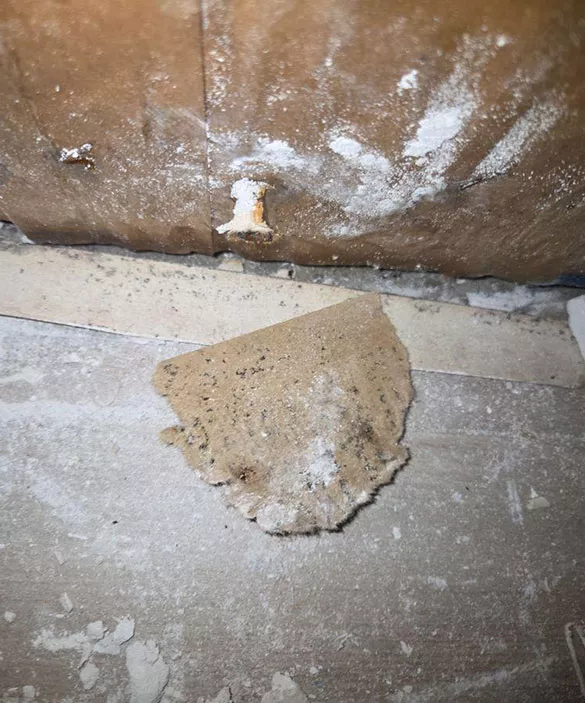
Our Mold Damage Restoration Process
Our licensed Florida team executes mold damage restoration in Florida under written assessor protocol with documented containment monitoring and pressure verification. Every remediation project is supervised by licensed personnel and structured for carrier review from initiation through clearance.
Independent Assessment and Protocol Execution
A licensed Mold Assessor conducts inspection and issues a written remediation protocol. We execute the defined scope without deviation unless documented approval is issued.
Engineered Containment and Air Management
Physical barriers isolate impacted areas while HEPA-equipped negative air machines maintain controlled pressure to prevent cross-contamination.
Controlled Material Removal and Structural Cleaning
Non-restorable porous materials are removed within containment. Structural framing and sheathing are cleaned in accordance with protocol specifications.
Post Remediation Verification
When required, the independent licensed Mold Assessor performs clearance testing prior to containment dismantling.
Residential and Commercial Mold Damage Restoration
In Florida homes, condominiums, hospitality properties, offices, schools, and multi-unit housing, mold frequently follows plumbing failures, storm intrusion, roofing leaks, building envelope breaches, or prolonged indoor humidity. We perform mold damage restoration in Florida across North, Central, and South Florida property environments with consistent Chapter 468 compliance. Each project is structured to stabilize, contain, and verify remediation before reconstruction begins.
Does Florida require mold remediation to be licensed?
Yes. Under Chapter 468, mold damage restoration in Florida must be performed by a licensed Mold Remediator following a written protocol issued by a licensed Mold Assessor.
Is surface cleaning enough?
No. Moisture correction and engineered containment are required to prevent continued microbial amplification.
How quickly can mold grow in Florida conditions?
In high humidity environments, microbial growth can begin within 24–48 hours after moisture exposure when materials remain wet.
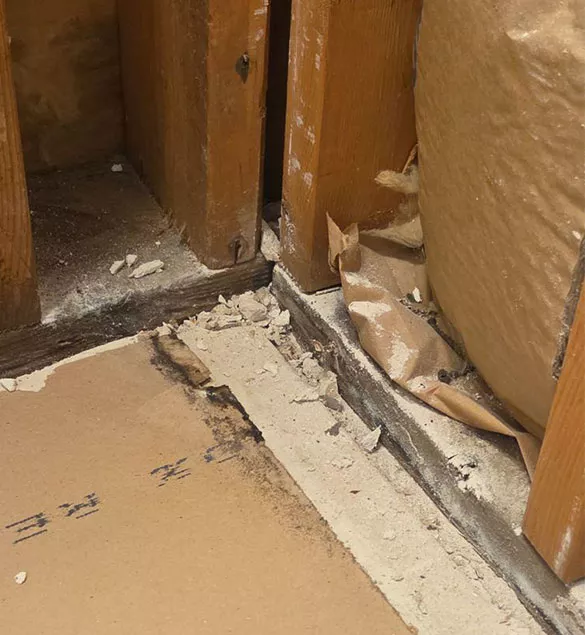
Schedule Mold Damage Restoration in Florida
In Florida’s sustained humidity, microbial growth expands quickly inside concealed structural assemblies when moisture remains active. Licensed containment and documented protocol execution prevent escalation and protect long-term structural performance.
Our mold damage restoration in Florida is performed strictly under Chapter 468 separation requirements, with engineered containment and assessor-defined scope execution. Every remediation project is executed with licensed oversight and containment verification from start to clearance.
Our licensed remediation team responds quickly across Central Florida to stabilize contamination, establish containment, and coordinate clearance testing with independent licensed Mold Assessors.
📞 Speak directly with a licensed Florida Mold Remediator
today: 321 588 1156
Early licensed containment limits demolition scope, preserves insurance defensibility, and stabilizes structural assemblies from the first day of response. Delayed response increases containment complexity and expands structural and insurance exposure.
When looking for a mold removal company, you need professionals who guarantee results. Superior Restoration Services offers

Do not let mold harm your home! Call us now for mold damage restoration in Florida and nearby areas.
If you ignore mold, it can lead to serious health problems. Watch out for these signs
Protect your home and health—book a mold inspection today for mold damage restoration in Florida and nearby areas!